
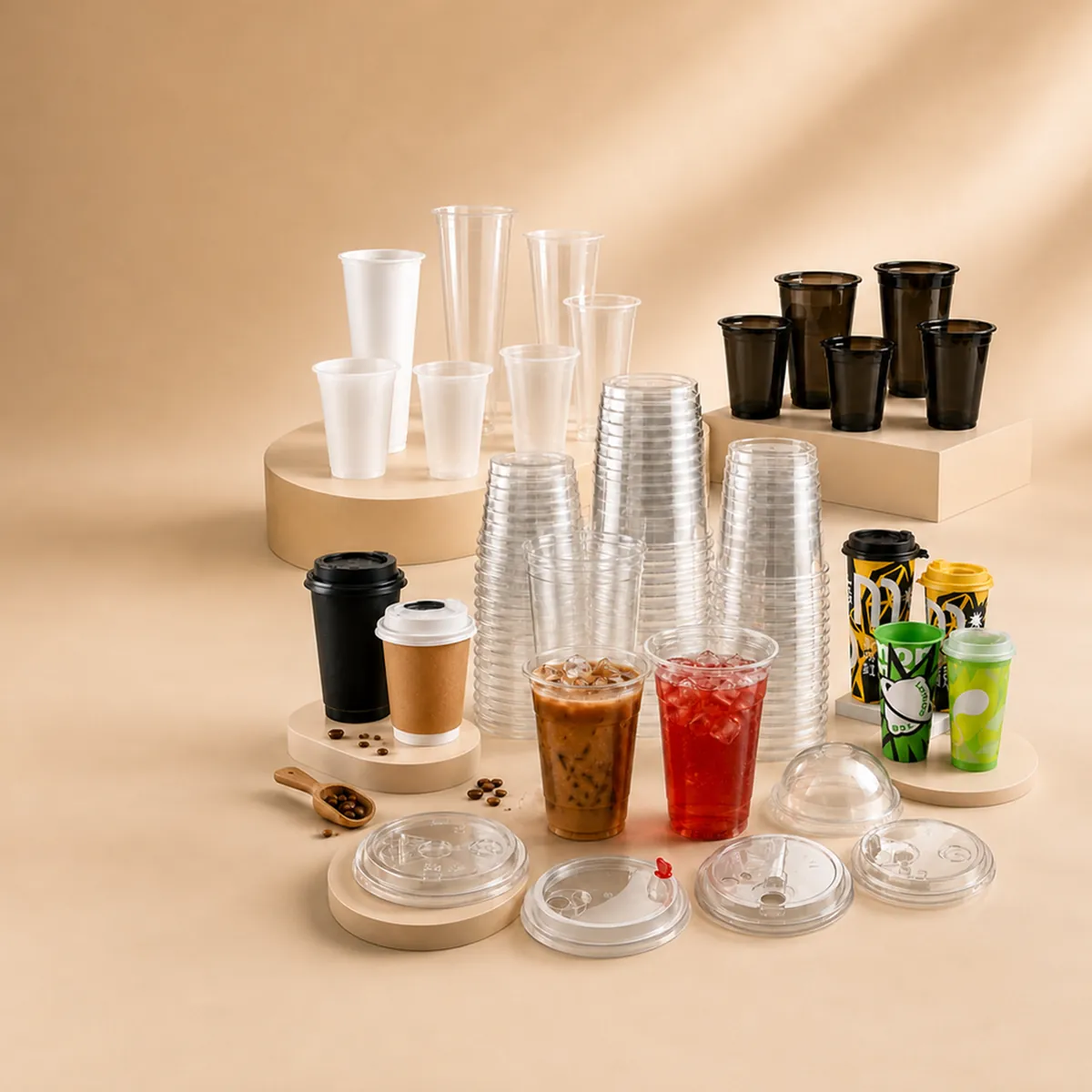
1. Compare the same cup and lid specification
Create one row per component with its model, material, nominal capacity, rim dimensions and quantity. Keep alternative versions in separate rows. A cup price that excludes the lid cannot be compared directly with a cup-and-lid set. Ask which capacity is stated and confirm the usable serving level with your drink and any ice or toppings.
2. Write down the use conditions
Specify the contents, filling and serving temperatures, expected contact time and intended handling. Check those conditions for every component. Do not transfer a material's general properties to an untested finished item, or assume that a cup and lid have the same temperature limit. Evaluate samples with the actual drink and closure method before approval.
3. Separate printing costs from repeat-order costs
Record the artwork version, print area, color count and approval method. Ask which preparation, sampling and printing charges are included, and which would apply again after an artwork change. Keep an approved reference for print position and appearance. Do not compare a plain cup price with a printed cup price as if the scope were identical.
4. Count cartons and the complete delivery cost
Confirm units per inner pack, units per carton, carton dimensions and gross weight. Compare quotations using the same currency, quantity and delivery scope. Add the quoted product, lid, printing, packing and transport charges, plus any applicable charges not included, then divide by the usable sets received. This is a comparison method, not a promise of a particular saving.
5. Check documents against the destination and model
Before ordering, list the food contact and labeling information needed for the destination. Ask which exact product and material each document covers, what use or test conditions it states, and whether it is current for the order. A report for another material or use is not evidence for your selected item. Also check local restrictions on disposable cups and straws with the importer.
6. Approve a sample and keep one order record
Confirm the cup and lid combination, drink test, print sample, carton quantity and markings. Record the accepted specification, sample version, delivery scope and agreed dates in the order. Separate production time from transit time and identify who will resolve any discrepancy. Recheck changed components or artwork before a repeat order.